


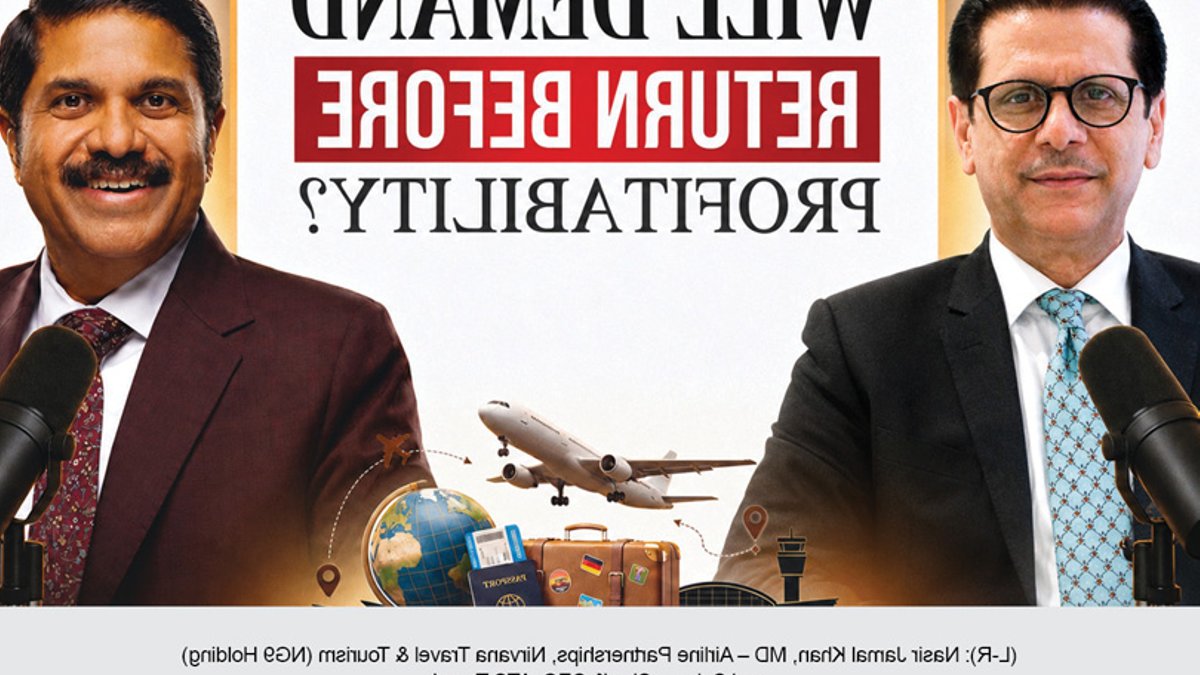
Industry leaders at the inaugural TravTalk Middle East ThinkTank argued that value, not discounts, should define the region’s tourism recovery.
Value‑focused strategy beats price wars
Nasir Jamal Khan, managing director of airline partnerships at Nirvana Travel & Tourism, warned that short‑term discounting resets customer expectations. “Discounting may create temporary volume, but it damages long‑term profitability. Once customers become accustomed to lower prices, restoring rates becomes extremely difficult,” he said.
Saleem Sharif, CEO of ATS Travel, echoed the sentiment, adding that price cuts train travelers to wait for bargains, eroding loyalty. “Never should there be an attempt to gain business by reducing prices. You train customers to wait for discounts, and loyalty disappears,” he noted.
Related: Enjoy the Nightlife in Dubai
Both executives stressed that competing on price alone is unsustainable. Instead, they urged operators to build stronger value propositions through flexible bookings, bundled experiences, loyalty programmes and customer‑centric services.
For airlines and hotels, the shift means investing in service quality and operational excellence rather than simply lowering fares or room rates. “If you give customers value, they stay with you. If you give them only price, they will always shop somewhere else,” Khan observed.
In practice, travelers may see more packages that combine flights, accommodation and activities, simplifying planning and delivering clearer savings than a flat discount would.
Related: 5 things Ireland is best known for
Collaboration and technology as recovery tools
Khan called for tighter integration across the tourism ecosystem. He suggested that airlines, tourism authorities, hotels and destination‑management firms jointly identify priority markets and launch coordinated campaigns. “Recovery cannot be an individual effort,” he said.
Sharif highlighted the role of travel management companies as market intelligence hubs. “We are the eyes and ears of the market. Travel companies should be involved at the planning stage, not after campaigns have already been designed,” he explained.
Customer confidence as a competitive edge
Sharif argued that trust is forged during disruption, not smooth operation. “Trust comes into play when the customer is in trouble. Customers need to know you are there for them and that problems are solved quickly. That is what customers remember,” he said.


